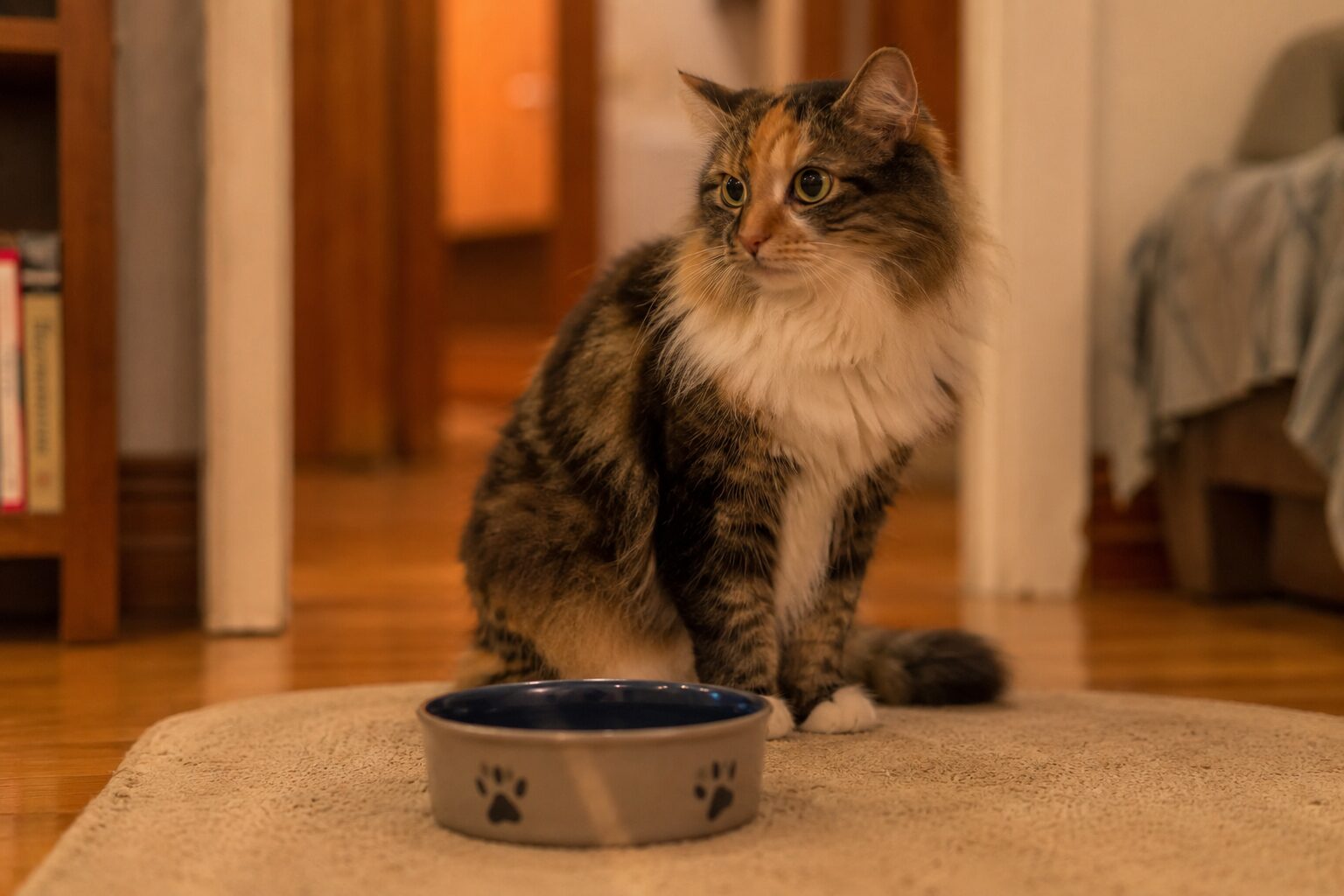
Is your cat turning away from their food bowl? You’re not alone — this is one of the most common concerns among cat owners. While a missed meal here and there may not be cause for alarm, a cat that refuses to eat for more than 24 hours needs attention.
In this article, we’ll walk you through the most common reasons cats stop eating, what you can do at home, and when it’s time to call your vet.
🐱 5 Common Reasons Your Cat Is Not Eating
1. Illness or Medical Conditions
The most serious cause of appetite loss is an underlying health issue. Conditions like kidney disease, infections, pancreatitis, or digestive problems can all cause a cat to stop eating. According to PetMD, even a mild illness can significantly reduce a cat’s appetite.
2. Dental Pain
If your cat approaches the food bowl but then walks away, dental pain may be the culprit. Cats with tooth or gum problems find it painful to chew, especially dry kibble.
Signs to watch for: drooling, pawing at the mouth, dropping food while eating.
3. Stress or Environmental Changes
Cats are creatures of habit. Moving to a new home, a new pet, a new family member, or even rearranging furniture can cause enough stress to reduce appetite.
4. Food Preferences or Boredom
Sometimes it’s simple — your cat is bored of the same food. Cats can suddenly decide they no longer like a food they’ve eaten for years. They may also reject food if the bowl is near their litter box or water bowl.
5. Recent Vaccination or Medication
It’s common for cats to experience a temporary loss of appetite after vaccines or certain medications. This usually resolves within 24–48 hours.
🏠 What You Can Try at Home
- Warm up the food — Cats prefer food at body temperature. Microwave wet food for a few seconds.
- Try wet food — If your cat normally eats dry food, offer canned wet food or tuna water.
- Change the bowl — Some cats dislike plastic bowls. Try a ceramic or stainless steel bowl.
- Move the food bowl — Place it away from the litter box, in a quiet, calm area.
- Reduce stress — Keep routines consistent and give your cat a safe, comfortable space.
🚨 When To See a Vet Immediately
Go to the vet if your cat:
- Has not eaten for more than 24 hours
- Is also vomiting or has diarrhea
- Seems lethargic or is hiding
- Has yellowing eyes or gums
- Is losing weight rapidly
- Cannot urinate
⚠️ Important: When cats stop eating, they can develop a dangerous liver condition called hepatic lipidosis within just a few days — especially in overweight cats. Always consult your veterinarian if you are unsure.
📚 Sources
- PetMD – 6 Reasons Why Your Cat Is Not Eating and What To Do
- WebMD Pets – Cat Not Eating Causes and Treatments
- GSVS – Cat Not Eating? Urgent Signs and When to Seek Care
Note: This article is for informational purposes only. Always consult a licensed veterinarian for medical advice specific to your cat.

コメント